
Best Graphic Design Course: A Complete Guide for Beginners in 2026
Graphic design is an important part of digital communication. Businesses, brands, educational institutes and content creators use visual designs to share information, promote products and build brand identity. Graphic design is a useful skill for people interested in creativity, visual communication and digital media.
Choosing the best graphic design course can help you understand design principles, learn suitable software and develop practical skills. A structured course may cover typography, colour theory, image editing, logo design, layouts and branding.
This guide explains essential graphic design skills, course topics, career opportunities and what to check before enrolling in a training programme.
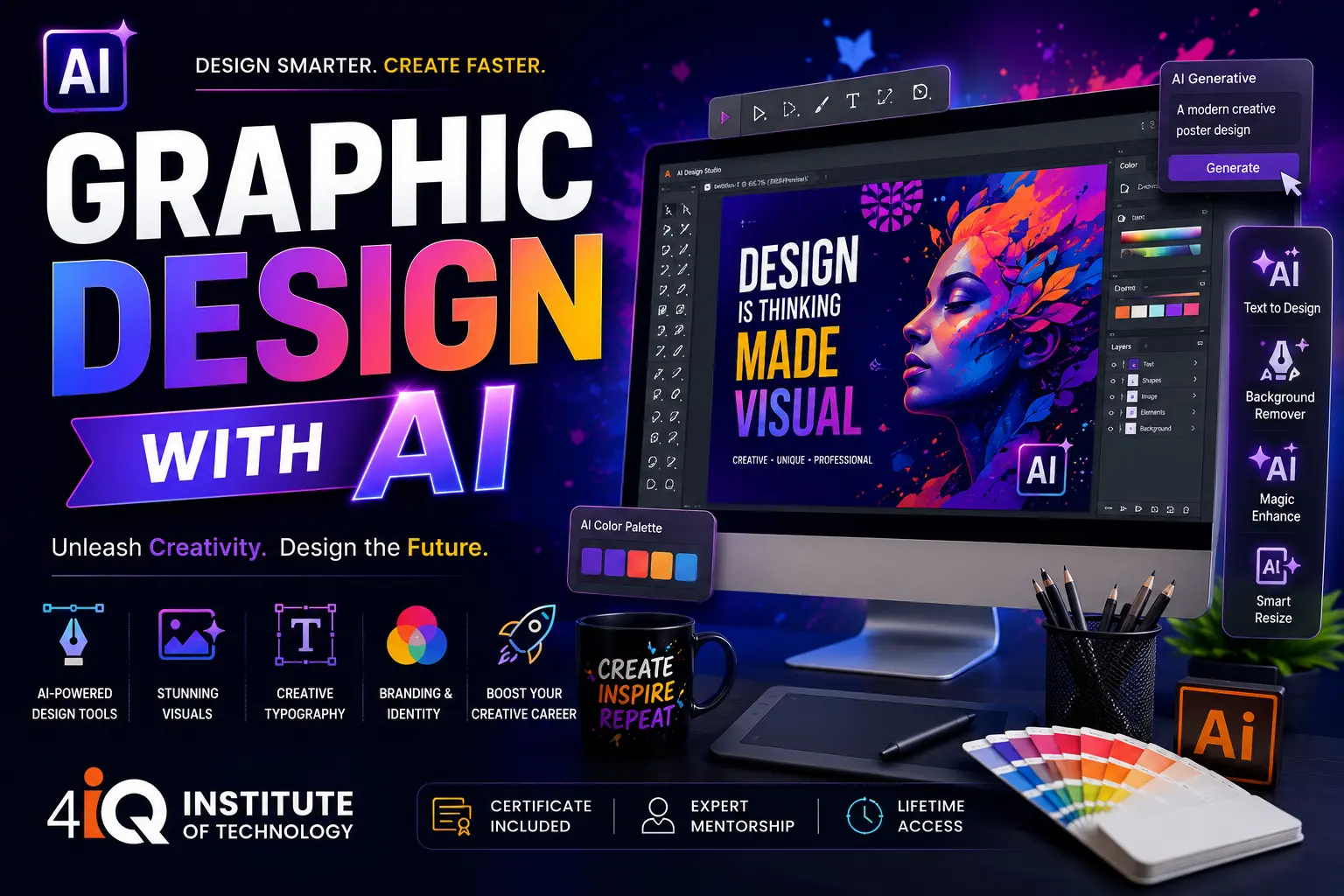
Learn Graphic Design with Practical Skills
Looking for the best graphic design course? Learn how to communicate ideas visually using typography, colours, layouts, images and creative design tools.
Graphic design skills can help you create social media posts, logos, banners, brochures and marketing creatives. Start with the fundamentals and build your confidence through practical projects.
- Understand graphic design fundamentals
- Explore design software and creative tools
- Learn typography, colour theory and layouts
- Build projects for your graphic design portfolio
What Is Graphic Design?
Graphic design is the process of communicating ideas and information through visual elements such as typography, colours, images, illustrations and layouts. It helps businesses and individuals present information clearly and create a consistent visual identity.
For example, a business may use a logo, brand colours and promotional graphics to build recognition. A digital marketer may create social media posts, advertisements and banners to communicate a campaign message.
Some important areas of graphic design include:
Typography
Select and arrange fonts to improve readability and visual hierarchy.
Colour Theory
Understand colour combinations, contrast and consistent visual styles.
Layout and Composition
Arrange text, images and design elements in a balanced layout.
Image Editing
Improve images, adjust colours and prepare graphics for different uses.
Logo and Branding
Create visual elements that support a brand’s identity and recognition.
Social Media Design
Prepare graphics for social media posts, campaigns and digital promotions.
Learning these skills helps you create meaningful visual content for personal projects, marketing campaigns, businesses and digital platforms.
Why Choose the Best Graphic Design Course?
A structured graphic design course can help you learn design concepts step by step. A planned curriculum and guided assignments can make it easier to understand the creative process and practise new techniques.
Develop Practical Design Skills
Graphic design requires more than creativity. You also need to understand typography, colour combinations, spacing, composition and visual hierarchy.
Practical assignments help you apply these concepts by creating posters, social media creatives, banners and other design projects.
Explore Creative Career Opportunities
Graphic design skills can be useful in advertising, digital marketing, publishing, branding and content creation. You can explore different design projects and gradually develop a specialisation.
Create Designs for Your Own Business
Business owners can use graphic design to prepare promotional banners, product graphics, social media posts, brochures and other marketing materials.
Build a Freelance Portfolio
Create a portfolio featuring branding concepts, posters, advertisements, social media designs and other original projects. A strong portfolio helps potential clients understand your design style and capabilities.
What Should a Graphic Design Course Include?
When looking for the best graphic design course, review the syllabus to make sure it includes essential design principles, software training and hands-on practice.
Introduction to Graphic Design
Learn about graphic design, visual communication, design elements and principles. Understand balance, contrast, alignment, repetition and visual hierarchy.
Practise arranging text and images to create simple and effective designs.
Typography, Colour Theory and Layouts
Learn how to select fonts, create colour combinations and organise design elements. Understand how spacing, contrast and alignment can improve the clarity of a design.
Practise creating layouts for posters, advertisements and digital content.
Graphic Design Software
Explore design applications and their interfaces, tools, layers, shapes and export settings. Depending on the course, software may include Adobe Photoshop, Adobe Illustrator, Canva or Adobe InDesign.
Confirm which applications are included before enrolling and check their system requirements.
Photo Editing and Image Manipulation
Understand image adjustments, cropping, retouching, background removal and composition. Learn how to prepare images for web content, advertising and promotional materials.
Logo Design and Brand Identity
Learn the basics of logo design, visual consistency and brand identity. Explore how typography, colours and graphic elements work together to represent a brand.
Social Media Graphics and Portfolio Projects
Prepare graphics for social media, advertising and digital marketing. Understand image dimensions, file formats, export quality and platform requirements.
Project work can include a promotional poster, a social media campaign, a logo concept and a collection of designs for your portfolio.
AI Tools in Graphic Design
Some design workflows use AI for image generation, background removal, image editing and idea exploration. Features vary by software and subscription, so review the course syllabus to confirm which tools are covered.
Who Can Join a Graphic Design Course?
Graphic design can be useful for learners from different educational and professional backgrounds.
Students and freshers: Develop creative software skills and build sample projects for a portfolio.
Content creators: Create thumbnails, social media graphics, channel artwork and promotional designs.
Business owners: Learn to prepare brand graphics, advertisements, product creatives and marketing materials.
Digital marketers: Add design skills to existing marketing knowledge and create visual content for campaigns.
Aspiring freelancers: Develop a portfolio and explore design services for businesses, agencies and clients.
You do not necessarily need previous graphic design experience to begin. Basic computer knowledge, creativity, attention to detail and regular practice provide a useful starting point.
How to Choose the Right Graphic Design Institute
Before enrolling, compare the curriculum, software covered, practical training and support available to learners.
- Updated syllabus: Check whether the course covers current design principles and relevant software.
- Practical assignments: Ask whether you will create original designs and complete projects.
- Software training: Confirm which applications are taught and whether you need your own software licence.
- Trainer guidance: Find out whether you will receive feedback on your designs.
- Portfolio development: Look for opportunities to create different types of design work.
- Fees and duration: Compare course costs, class schedules and learning resources.
- Career support: Confirm what certification or career assistance is actually included.
The right course should match your interests and provide opportunities to practise. Ask the institute about its current syllabus and project requirements before enrolling.
Visit the official 4IQ Institute website to explore current programmes and contact the team for course details.
Career Opportunities After a Graphic Design Course
After learning graphic design, you can explore career paths based on your technical abilities, creativity, portfolio and professional experience.
Graphic Designer
Create visual content for businesses, brands, advertising and digital platforms.
Social Media Designer
Design social media posts, campaign graphics and promotional creatives.
Logo Designer
Develop logo concepts and visual elements for brand identity projects.
Advertising Designer
Create visual materials for promotional campaigns and marketing activities.
Visual Content Designer
Prepare digital graphics, banners and creative assets for online content.
Freelance Graphic Designer
Offer design services to clients after building a suitable portfolio.
Practise by designing a promotional poster, a social media campaign, a brand identity concept and a collection of digital advertisements. These projects can demonstrate your ability to work with different visual styles.
Completing a course does not guarantee employment or freelance income. Practice, portfolio quality, communication and client experience all influence professional opportunities.
Why Consider 4IQ Institute?
Choosing a training institute is an important step when you want to develop creative and technical skills. Consider whether its learning approach suits your goals and experience level.
If you are interested in graphic design, contact 4IQ Institute to confirm course availability, software coverage, practical assignments and the training format.
Ask about duration, fees, project work, certification and available career support before making your decision.
Visit 4IQ Institute to explore its current programmes and learning options.
Frequently Asked Questions (FAQs)
1. Which is the best graphic design course for beginners?
A good beginner course should cover design fundamentals, typography, colour theory, layouts and relevant software. Practical projects and trainer guidance can make learning more effective.
2. Can I learn graphic design without experience?
Yes. You can start with basic design principles and gradually learn software tools. Regular practice with original projects helps improve your skills.
3. How long does it take to learn graphic design?
The duration depends on the course and your practice schedule. Basic concepts can be learned with consistent practice, while advanced design skills develop through continued project work.
4. Which software should I learn for graphic design?
You can explore Adobe Photoshop, Adobe Illustrator, Canva and Adobe InDesign. The right choice depends on your goals, budget, computer specifications and project requirements.
5. Can I earn money after a graphic design course?
Graphic design can lead to job and freelance opportunities, but income is not guaranteed. Your skills, portfolio, experience and client relationships influence your opportunities.
6. Is graphic design useful for digital marketing?
Yes. Graphic design is useful for social media posts, advertising creatives, promotional banners, branding and other digital marketing materials.
7. Does a graphic design course include AI tools?
Some courses include AI-assisted features for image generation, editing and background removal. Check the syllabus to confirm which tools are covered.
8. How can I join a graphic design course at 4IQ Institute?
Visit the 4IQ Institute website and contact the institute to confirm course availability, fees, duration and admission details.
Conclusion
Choosing the best graphic design course means finding a programme that combines design fundamentals with practical experience. Learning typography, colour theory, layouts, image editing, branding and design software can help you develop a strong foundation.
Before enrolling, compare the syllabus, software training, practical assignments and available support. Build your skills by completing projects and creating a portfolio that demonstrates your work.
Explore the current offerings at 4IQ Institute and choose a learning path that aligns with your creative interests and career goals.
Ready to Build Your Graphic Design Skills?
Explore available programmes at 4IQ Institute and take the next step towards developing your creative skills.
Explore Courses →